
Trailer Interchange Insurance
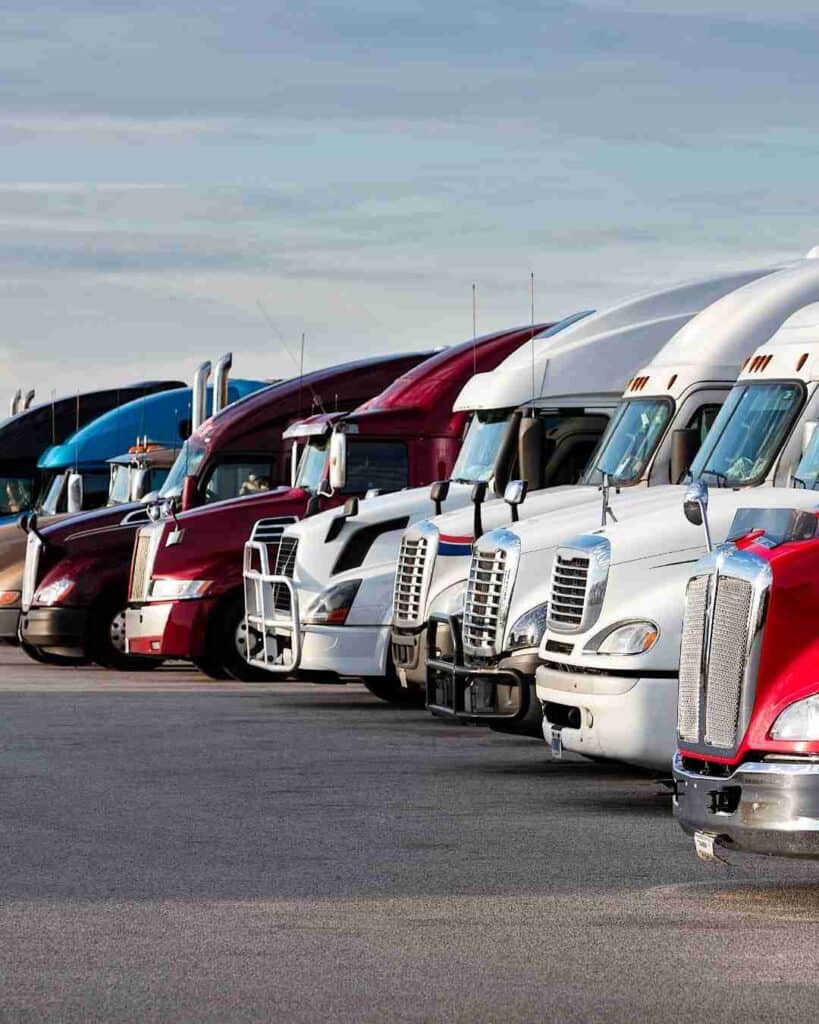
Trailer Interchange Insurance helps protect trucking companies when they are hauling, using, or storing a trailer they do not own under a trailer interchange agreement. This coverage can help pay for physical damage to a non-owned trailer caused by covered losses such as collision, fire, theft, vandalism, or certain weather-related events.
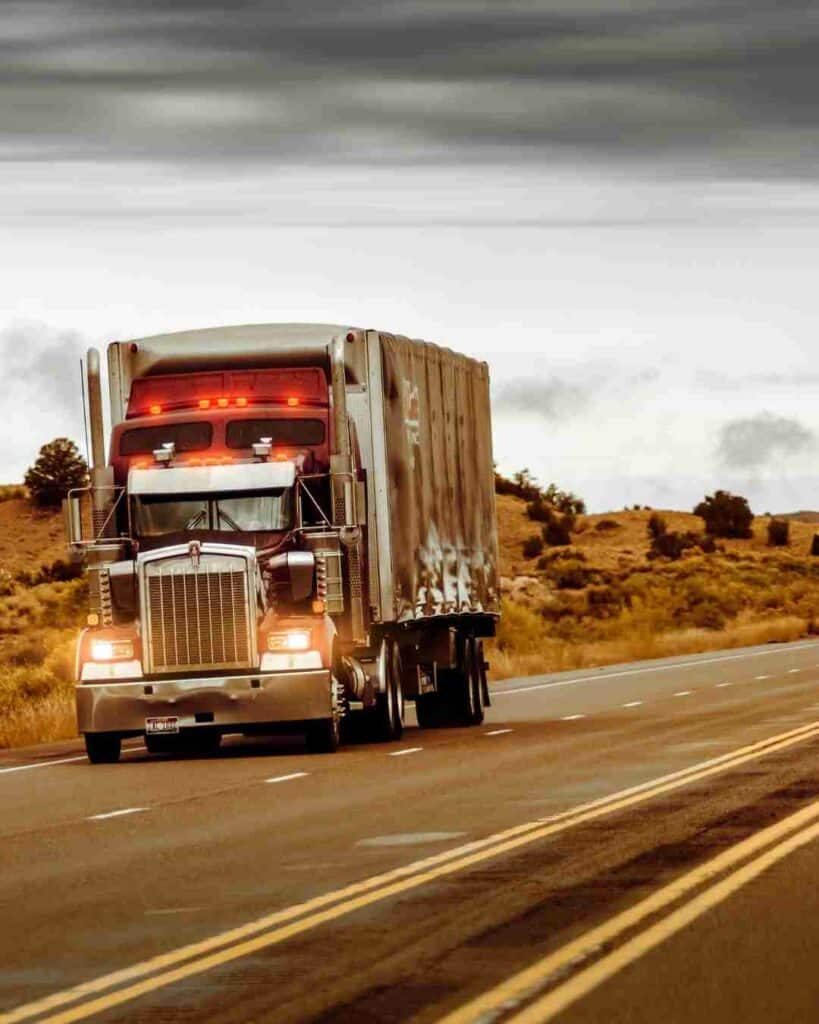
What Is Trailer Interchange Insurance?
Trailer Interchange Insurance provides benefits when employees are injured or become ill because of their job. For trucking companies, this may include driver injuries from accidents, loading and unloading, slips and falls, equipment handling, warehouse work, yard work, or other job-related duties.
What Does Trailer Interchange Insurance Cover?
Collision Damage
Collision Damage helps pay to repair or replace your truck if it is damaged in an accident with another vehicle, object, rollover, or other covered collision, subject to your deductible.
Theft and Vandalism
Theft and Vandalism helps protect your truck from non-collision losses such as theft, vandalism, fire, hail, flooding, falling objects, animal strikes, and certain weather-related damage.
Fire and Weather Damage
Fire and Weather Damage coverage may protect against specific listed risks such as fire, theft, explosion, lightning, vandalism, windstorm, and other named causes of loss, depending on the policy.
What Determines Trailer Interchange Costs?
Trailer Interchange Insurance pricing is usually based on trailer value, coverage limit, deductible, operating radius, trailer type, claims history, garaging location, and the terms of the trailer interchange agreement. Coverage should be matched to the value and type of trailers your trucking business may use.
Trailer Value
The insured value of the non-owned trailer is one of the main rating factors. Higher-value trailers usually require higher limits and may cost more to insure.
Trailer Type and Use
Choosing a higher deductible may reduce premium, while a lower deductible may reduce out-of-pocket costs after a covered trailer damage claim.
Trailer Type and Use
Dry vans, refrigerated trailers, flatbeds, tankers, and specialty trailers may be rated differently based on value, risk, use, and operating territory.
Who Needs Trailer Interchange Insurance?
Owner-Operators
Owner-operators who pull trailers owned by another carrier, shipper, or business partner may need Trailer Interchange Insurance to protect against physical damage claims.
New Venture
New trucking companies using borrowed, exchanged, or non-owned trailers may need Trailer Interchange coverage before entering certain agreements or hauling specific loads.
Fleet Owners
Fleet owners that regularly exchange trailers with other carriers can use Trailer Interchange Insurance to protect non-owned trailers across multiple drivers and routes.
Motor Carriers
Motor carriers that participate in trailer interchange agreements may need this coverage to satisfy contracts and reduce exposure when non-owned trailers are in their possession.
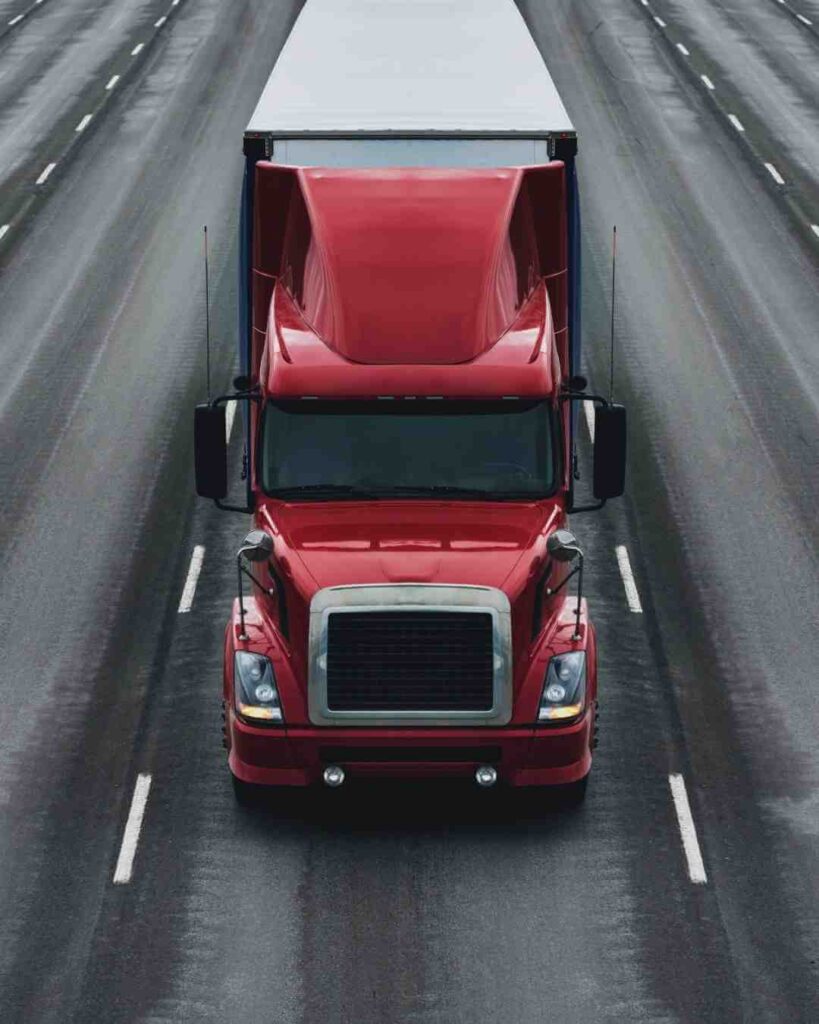
Why Is Trailer Interchange Insurance Important?
Trailer Interchange Insurance is important because standard Physical Damage coverage usually protects trailers you own, not trailers owned by another company. If a non-owned trailer is damaged while in your care under an interchange agreement, your business may be financially responsible for repairs or replacement.
Protect Non-Owned Trailers with Trailer Interchange Coverage
When your trucking business pulls a trailer owned by another company, you may be responsible for that trailer while it is in your possession. A collision, fire, theft, vandalism, or weather-related loss can quickly turn into an expensive claim. Trailer Interchange Insurance helps protect your business from covered physical damage losses involving non-owned trailers.
Whether you operate one truck or manage a fleet, the right Trailer Interchange coverage can help satisfy agreement requirements, protect business relationships, and reduce out-of-pocket exposure after a covered trailer loss.
At Annagard Insurance Agency, we work with leading trucking insurance carriers to help owner-operators, new ventures, and fleet owners find customized Trailer Interchange Insurance solutions that fit their agreements, trailers, operations, and budget.