
Commercial Truck Insurance Texas
Commercial truck insurance in Texas is essential for owner-operators, motor carriers, fleet owners, and trucking businesses that depend on their vehicles to generate revenue. Whether you operate a single truck or manage a growing fleet, the right insurance coverage helps protect your business from costly accidents, lawsuits, cargo losses, and unexpected downtime.
Texas is one of the busiest freight transportation hubs in the United States. Major highways such as I-35, I-45, the Texas interstate system, and the Lone Star State Parkway connect trucking companies to some of the nation’s largest markets. From the Port Houston-Dallas Marine Terminal to distribution centers in San Antonio, Austin, McAllen, and Monroe Township, trucking businesses face unique risks that require specialized insurance protection.
At Annagard Insurance Agency, we help trucking companies throughout Texas compare commercial truck insurance options from multiple insurance carriers. Whether you’re hauling general freight, operating a box truck, transporting vehicles, running a dump truck operation, or moving containers from the ports, we can help you find coverage designed for your business.
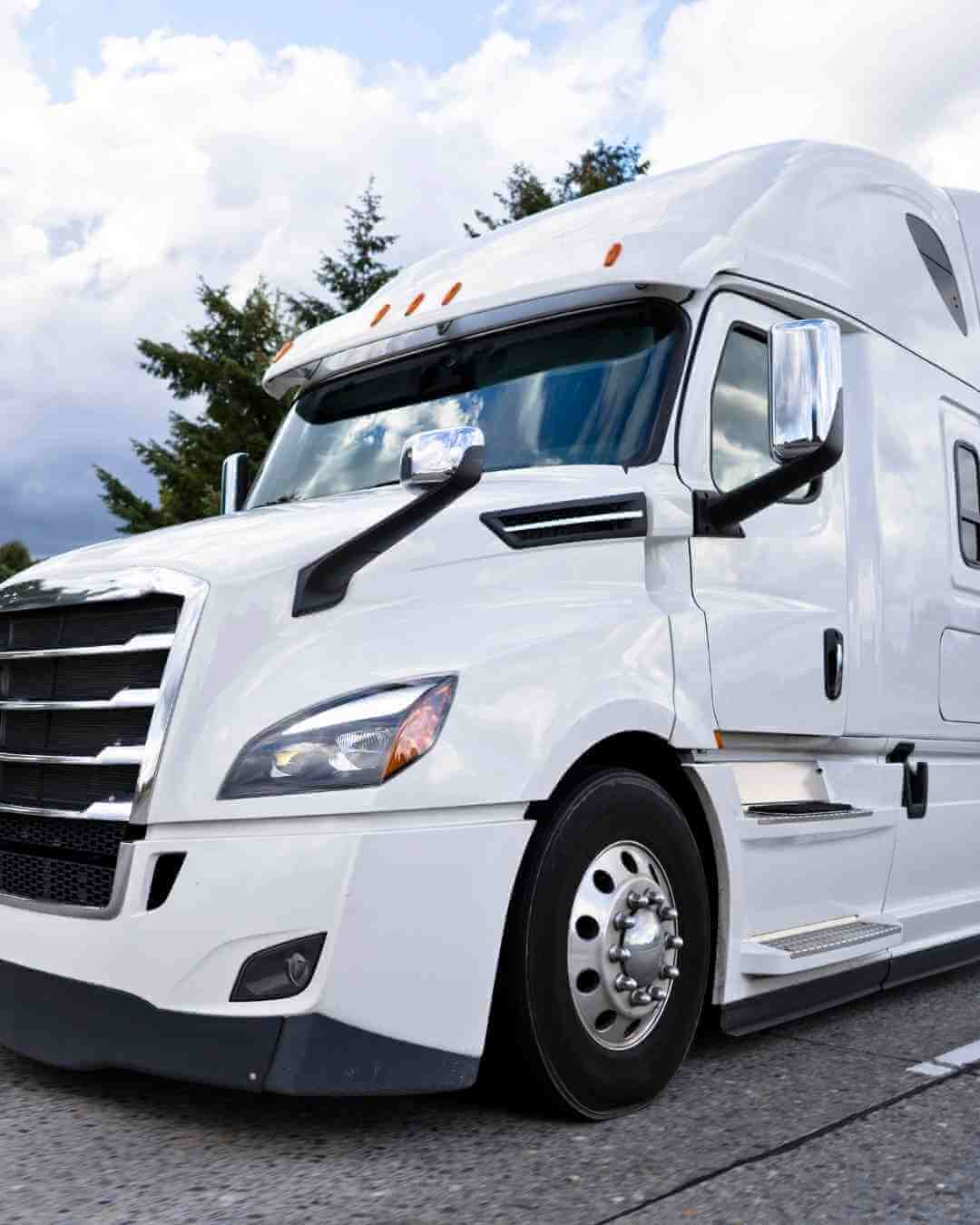
Who Needs Commercial Truck Insurance in Texas?
Commercial truck insurance is designed for businesses and individuals who use trucks for commercial purposes. Coverage requirements vary depending on the type of operation, the cargo being transported, the radius of operation, and whether the business operates intrastate or interstate.
Owner Operators
Owner-operators make up a significant portion of Texas’ trucking industry. Whether you’re leased to a motor carrier or operating under your own authority, commercial truck insurance helps protect your investment and meet contractual requirements.
Many owner-operators based in Houston, Dallas, Fort Worth, San Antonio, Austin, El Paso, Laredo, McAllen, and Midland rely on specialized coverage including primary liability, physical damage, cargo insurance, non-trucking liability, and occupational accident coverage.

New Authorities
Starting a trucking company can be exciting, but obtaining insurance as a new authority can also be one of the biggest challenges. Insurance carriers often evaluate experience, safety records, equipment values, and operating radius when underwriting new ventures.
Annagard Insurance Agency works with trucking companies throughout Texas to help new authorities secure the coverage required to activate their MC authority and begin operating legally.
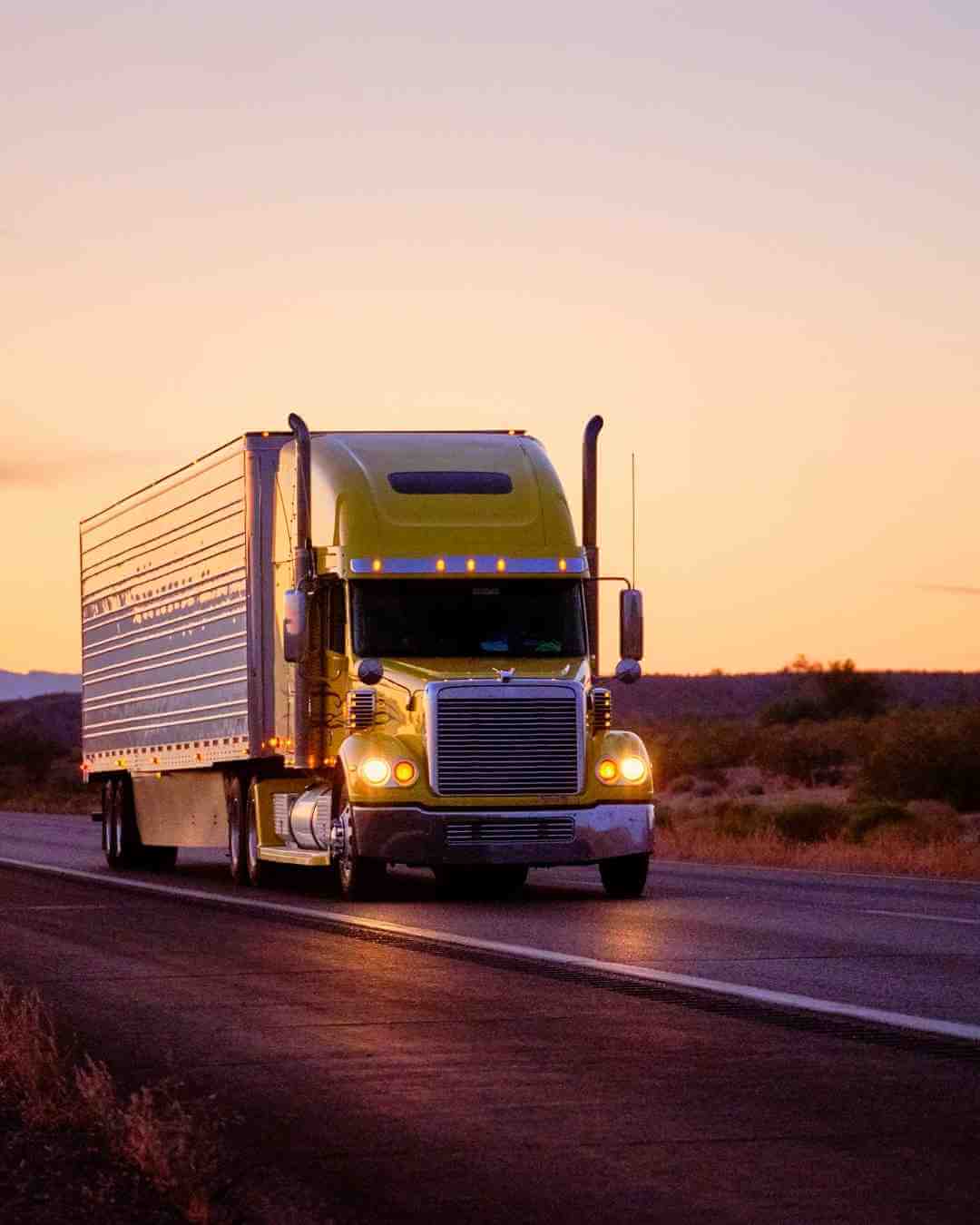
Fleet Owners
Whether you operate three trucks or three hundred, fleet insurance solutions can help simplify coverage management while protecting your drivers, vehicles, and business assets.
Fleet operators in Texas often require a combination of liability insurance, physical damage coverage, cargo insurance, workers compensation insurance, and umbrella policies to address their unique exposures.
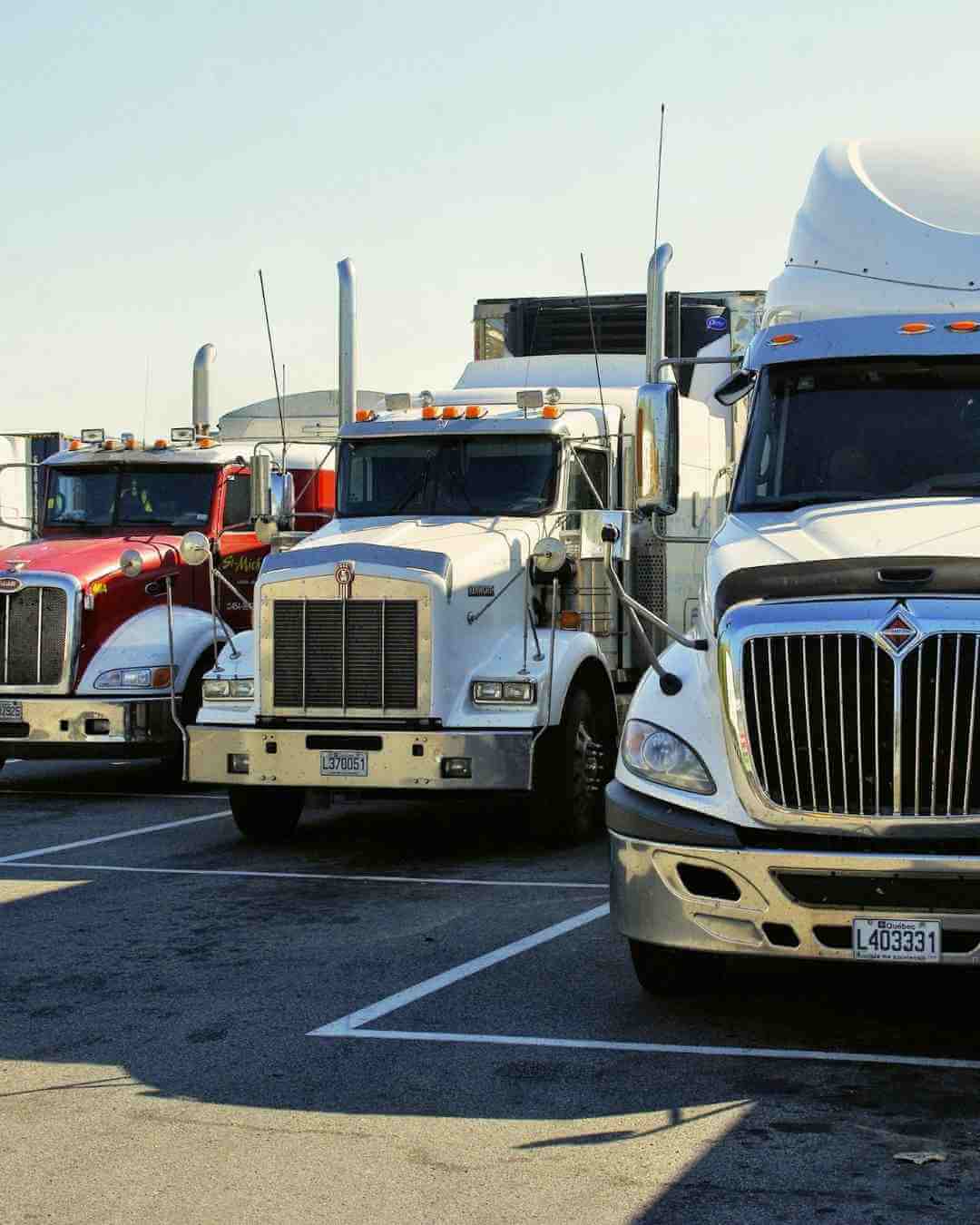
Specialized Trucking Operations
Different trucking operations face different risks. We help insure:
- Box Trucks
- Dump Trucks
- Tow Trucks
- Hot Shot Trucks
- Auto Haulers
- Refrigerated Trucks
- Flatbed Operations
- Container Haulers
- Drayage Companies
- Intermodal Carriers
- Construction Haulers
- Last-Mile Delivery Companies
Each operation requires a customized insurance approach based on the equipment, cargo, routes, and contractual obligations involved.
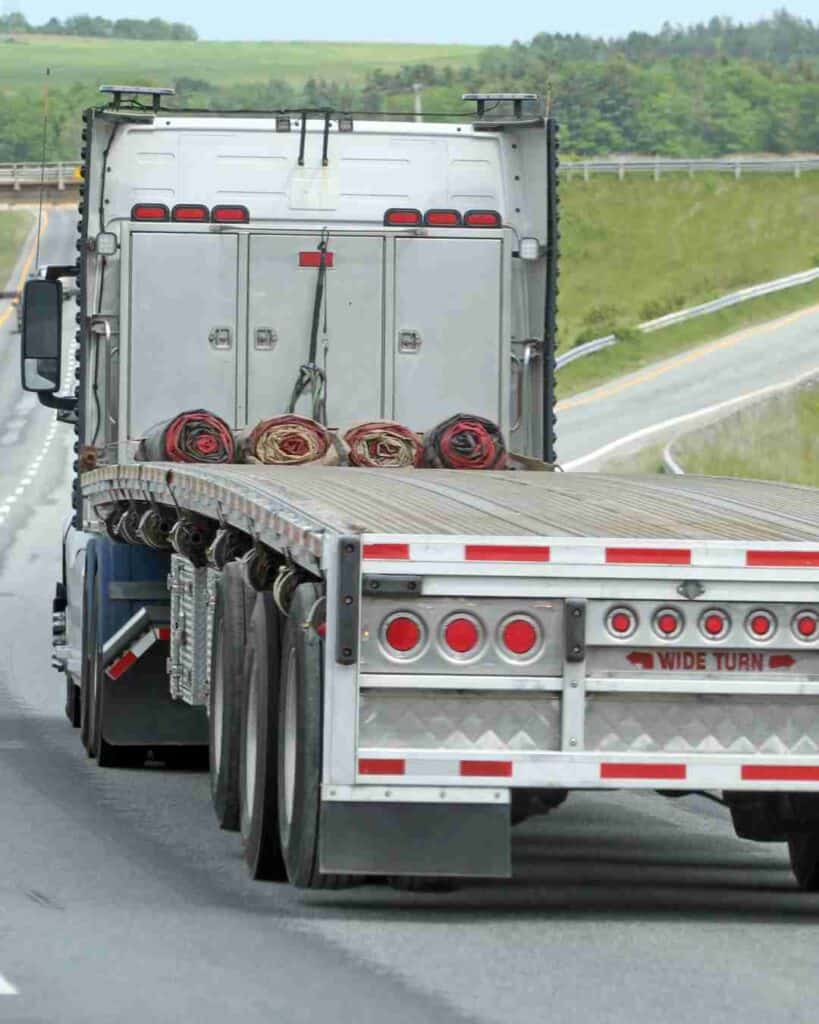
Commercial Truck Insurance Coverages Available
Choosing the right commercial truck insurance policy involves more than simply meeting minimum legal requirements. Comprehensive protection often includes multiple coverages working together to protect your business from a wide range of risks.
Primary Auto Liability
Primary liability insurance is the foundation of most commercial trucking policies. This coverage helps pay for bodily injury and property damage that you may cause to others while operating your truck.
Federal regulations often require interstate motor carriers to maintain specific liability limits depending on the type of cargo they transport. Many brokers, shippers, and contracts may require limits above the legal minimums.
Physical Damage
Your truck is one of your most valuable business assets. Physical damage coverage helps protect your equipment from losses caused by:
- Collisions
- Fire
- Theft
- Vandalism
- Falling Objects
- Severe Weather
- Flooding
- Animal Strikes
Whether you own a newer Peterbilt, Kenworth, Freightliner, Volvo, Mack, or International truck, physical damage coverage can help reduce the financial impact of unexpected losses.
Motor Truck Cargo
Cargo insurance helps protect the freight you’re transporting against covered losses. Many freight brokers and shipping companies require carriers to maintain cargo coverage before allowing them to haul loads.
The amount of cargo coverage needed often depends on the type of freight being transported. Carriers hauling electronics, pharmaceuticals, food products, and high-value goods may require significantly higher cargo limits.
General Liability
General liability insurance provides protection for incidents that occur outside of truck operation.
Examples may include:
- Customer injuries at your location
- Property damage caused during loading or unloading
- Advertising injury claims
- Certain legal defense costs
Many customers and contracts require general liability insurance before awarding business.
Workers Compensation
Trucking companies with employees may be required to carry workers compensation insurance under Texas law.
Workers compensation coverage helps provide benefits for medical expenses, lost wages, and rehabilitation costs when employees suffer work-related injuries or illnesses.
Non-Trucking Liability (NTL)
Non-trucking liability insurance is commonly purchased by owner-operators leased to motor carriers. This coverage may help protect drivers when operating their truck for personal reasons while not under dispatch.
For example, if an owner-operator drives from Houston to visit family in San Antonio while off-duty, non-trucking liability insurance may help provide coverage for certain liability claims that occur during personal use.
Trailer Interchange
Trailer interchange coverage helps protect trailers that are borrowed, rented, or exchanged under trailer interchange agreements.
This coverage is particularly important for intermodal carriers, drayage operators, and trucking companies working with shipping terminals throughout Texas.

Types of Trucking Operations We Insure Throughout Texas
The trucking industry is incredibly diverse, and different operations face different risks. At Annagard Insurance Agency, we work with trucking companies throughout Texas to help them find insurance solutions designed specifically for their business.
Whether you operate locally within Texas or haul freight throughout the United States, our team can help you explore coverage options that fit your operation.
General Freight Trucking
General freight carriers transport a wide variety of goods throughout Texas and across state lines. These operations often require a combination of primary liability insurance, physical damage coverage, motor truck cargo insurance, and general liability coverage.
Many general freight carriers operate throughout Houston, Dallas, Fort Worth, San Antonio, Austin, Laredo, El Paso, McAllen, and surrounding logistics hubs where freight demand remains strong year-round.
Box Truck Operations
Box truck businesses continue to grow throughout Texas due to increased demand for local delivery, moving services, retail distribution, and last-mile logistics.
Whether you operate a single box truck or a growing fleet, having proper insurance coverage can help protect your business from accidents, cargo claims, and unexpected downtime.
Dump Truck Operations
Dump truck operators often face unique exposures due to construction projects, road work, excavation jobs, and material transportation.
Coverage considerations may include:
- Liability Insurance
- Physical Damage Coverage
- Workers Compensation
- General Liability
- Equipment Coverage
We help dump truck businesses throughout Houston, Dallas, Fort Worth, San Antonio, Austin, El Paso, Corpus Christi, Midland, Odessa, and other construction-heavy markets secure appropriate coverage options.
Refrigerated Trucking
Reefer operators transport temperature-sensitive freight that often requires specialized cargo protection.
Because cargo losses can be significant, refrigerated carriers frequently require higher cargo limits and additional endorsements designed for food products, pharmaceuticals, and other sensitive freight.
Flatbed Trucking
Flatbed operators haul a wide variety of freight, including:
- Steel
- Lumber
- Construction Materials
- Machinery
- Equipment
Improperly secured loads can create significant liability exposures, making proper insurance coverage critical for flatbed operations.
Auto Haulers
Auto haulers face specialized risks related to transporting high-value vehicles.
Insurance programs for auto transport companies often include:
- Higher Cargo Limits
- Physical Damage Coverage
- Liability Insurance
- Trailer Coverage
Whether you’re hauling vehicles throughout Texas or across the country, proper protection is essential.
Intermodal Carriers
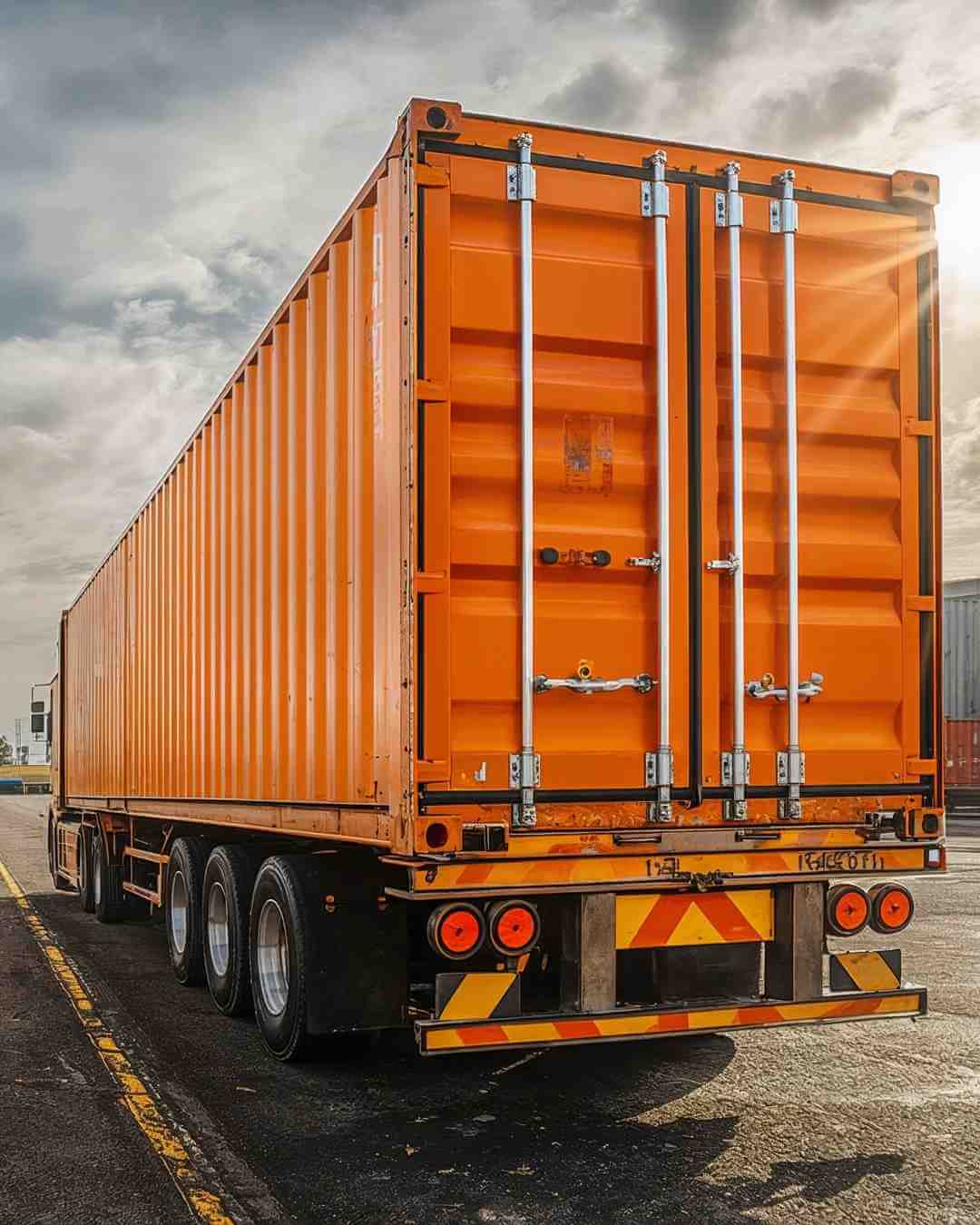
Texas is home to major port, rail, warehouse, border, and distribution operations. Drayage operators and intermodal carriers play a critical role in moving containers and freight between the Port of Houston, Port of Corpus Christi, border crossings, rail yards, warehouses, and distribution centers.
These operations frequently require specialized insurance solutions due to:
- Port Access Requirements
- Container Liability
- Trailer Interchange Exposures
- Higher Traffic Density
Many drayage, intermodal, and cross-border companies operate daily throughout Houston, Dallas-Fort Worth, Laredo, El Paso, San Antonio, Austin, McAllen, Corpus Christi, and the Rio Grande Valley.
Long-Haul Trucking
Long-haul carriers often travel across multiple states and face increased exposure due to extended road time.
Factors affecting long-haul trucking insurance may include:
- Mileage
- Driver Experience
- Cargo Type
- Operating Radius
- Safety History
Our team helps long-haul trucking companies evaluate insurance options designed for interstate operations.
Serving Trucking Companies Throughout Texas
Texas serves as one of the most important transportation and logistics hubs in the United States. Its strategic location provides direct access to Mexico, Louisiana, Oklahoma, Arkansas, New Mexico, the Gulf Coast, and major national freight corridors.
At Annagard Insurance Agency, we proudly help trucking businesses throughout the Lone Star State secure commercial truck insurance coverage.
Truck Insurance Houston TX
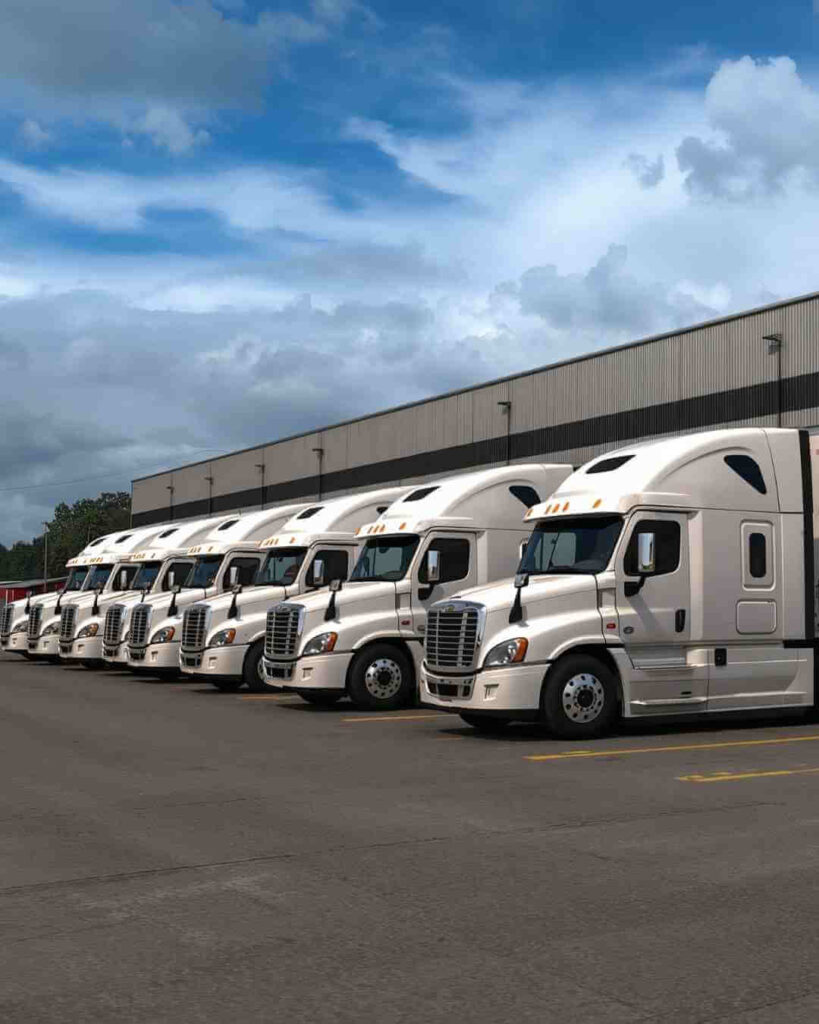
Houston is one of Texas’ most important freight, port, petrochemical, warehouse, and distribution markets. With I-10, I-45, I-69, rail terminals, warehouses, and the Port of Houston nearby, trucking companies in Houston face significant exposure to traffic congestion and freight-related risks.
Truck Insurance Dallas TX
Dallas trucking companies support manufacturing, construction, energy, regional freight, and industrial transportation throughout West Texas and surrounding states.
Truck Insurance Fort Worth TX
Fort Worth sits near the center of Texas and is one of the state’s most active logistics and distribution markets. Trucking companies serving this area often need coverage built around regional and interstate freight movement.
Truck Insurance San Antonio TX
San Antonio supports regional freight, construction, military logistics, retail distribution, warehouse operations, and South Texas transportation. Many carriers in San Antonio require insurance solutions tailored to local and interstate freight movement.
Truck Insurance Austin TX
Austin is a major transportation hub for carriers serving Central Texas and the Texas Corridor.
Truck Insurance El Paso TX
El Paso’s location along the U.S.-Mexico border supports trucking companies involved in cross-border freight, warehousing, distribution, manufacturing, and interstate transportation.
Truck Insurance Laredo TX
Laredo serves manufacturers, warehouses, food distributors, and regional freight operations throughout South Central Texas.
Truck Insurance McAllen TX
McAllen is a major Rio Grande Valley freight market supporting produce, retail distribution, cross-border transportation, warehousing, and regional trucking operations.
Truck Insurance Corpus Christi TX
Corpus Christi trucking companies support port operations, energy, construction, agricultural transportation, regional freight, and Gulf Coast logistics.
Truck Insurance Midland TX
Midland remains an important transportation market for carriers serving oilfield operations, construction, equipment hauling, industrial freight, and West Texas energy-related logistics.
Truck Insurance Odessa TX
Odessa trucking companies support oilfield services, equipment hauling, construction, industrial freight, and regional transportation throughout West Texas.
Truck Insurance Amarillo TX
Amarillo trucking companies frequently support agriculture, livestock transportation, regional freight movement, energy, construction, and Panhandle logistics operations.
Additional Areas We Serve
We also assist trucking companies throughout:
- Arlington
- Plano
- Irving
- Garland
- Waco
- Temple
- Killeen
- Beaumont
- Brownsville
- Wichita Falls
- Tyler
- Longview
- Harris County
- Dallas County
- Tarrant County
- Bexar County
- Travis County
- Hidalgo County
No matter where your trucking company operates in Texas, our team can help you compare insurance options from multiple carriers.
How Much Does Commercial Truck Insurance Texas Cost?
One of the most common questions trucking companies ask is, “How much does commercial truck insurance cost in Texas?” The answer depends on several factors unique to your business, drivers, equipment, and operations.
Insurance carriers evaluate risk differently, which is why rates can vary significantly from one trucking company to another. While no two operations are exactly alike, understanding what influences pricing can help you better prepare for the quoting process.
Driver Experience
Insurance companies place significant emphasis on driving experience when calculating premiums. Drivers with several years of CDL experience and clean driving records are often viewed more favorably than newly licensed drivers.
Generally, factors considered include:
- Years of CDL Experience
- Motor Vehicle Reports (MVRs)
- Accident History
- Traffic Violations
- Out-of-Service Violations
Type of Truck
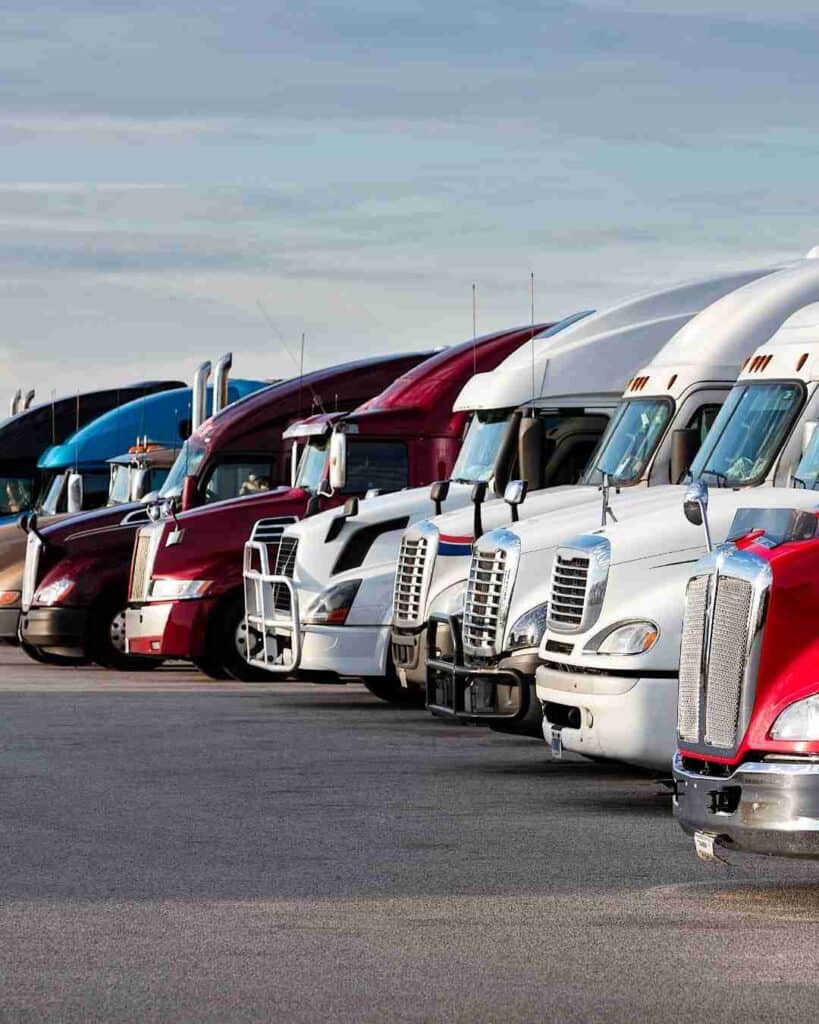
The type and value of your truck directly impact insurance costs.
Commonly insured vehicles include:
- Semi Trucks
- Box Trucks
- Dump Trucks
- Flatbeds
- Tow Trucks
- Cargo Vans
- Refrigerated Trucks
- Auto Haulers
Newer trucks typically cost more to insure for physical damage coverage due to higher replacement values.
Cargo Being Hauled
Cargo type plays a major role in determining insurance premiums.
Examples include:
- General Freight
- Refrigerated Products
- Construction Materials
- Consumer Goods
- Electronics
- Pharmaceuticals
- Automobiles
Higher-value cargo often requires higher insurance limits and increased underwriting scrutiny.
Radius of Operation
Insurance companies evaluate how far your trucks travel.
Common classifications include:
- Local (0-50 Miles)
- Intermediate (51-500 Miles)
- Long Haul (500+ Miles)
Long-haul operations generally face greater exposure due to increased time on the road and more complex driving environments.

Claims History
Previous claims can significantly impact future insurance costs.
Insurance carriers review:
- Prior Losses
- Frequency of Claims
- Severity of Claims
- Safety Program Effectiveness
Maintaining strong safety practices can help improve long-term insurability.

Authority Age
New authorities often face higher insurance premiums because carriers have less operating history to evaluate.
As your company gains experience and develops a positive safety record, additional insurance options may become available.
What Affects Truck Insurance Rates in Texas?
Texas presents unique challenges that influence trucking insurance premiums.
Port, Border, and Intermodal Exposure
The Port of Houston, Port of Corpus Christi, Laredo border crossing, inland distribution centers, rail terminals, and warehouse districts create important freight opportunities for Texas trucking companies. Carriers operating near ports, border crossings, rail hubs, and industrial corridors may face increased traffic density, congestion, and accident exposure.
Drayage operators and intermodal carriers frequently encounter risks associated with container transportation, terminal operations, and urban driving conditions.
Heavy Interstate Traffic
Major transportation routes throughout Texas include:
- Interstate 10
- Interstate 35
- Interstate 45
- Interstate 20
- Lone Star State Parkway
- Interstate 69
These heavily traveled roadways increase the likelihood of accidents and insurance claims.
Texas Freight Corridor Exposure
Many Texas trucking companies regularly operate throughout the Gulf Coast, Southwest, Midwest, and cross-border freight lanes, including Mexico, Louisiana, Oklahoma, Arkansas, New Mexico, and surrounding states.
Operating in dense urban areas and high-volume freight corridors often increases:
- Accident Frequency
- Property Damage Exposure
- Liability Claims
- Litigation Risks
Insurance carriers often factor these exposures into their underwriting decisions.
Litigation Environment
Legal expenses and liability settlements continue to impact commercial auto insurance costs nationwide.
Insurance companies evaluate potential legal exposure when determining rates for trucking operations.
Driver Shortages
The trucking industry continues to face challenges related to driver recruitment and retention. Hiring inexperienced drivers may increase insurance costs and underwriting requirements.
FMCSA and Texas Truck Insurance Requirements
Understanding federal and state insurance requirements is critical for trucking companies operating in Texas.
USDOT Number Requirements
Most interstate trucking companies are required to obtain a USDOT Number through the Federal Motor Carrier Safety Administration (FMCSA).
MC Authority Requirements
Motor carriers transporting regulated freight across state lines often require operating authority from the FMCSA.
Insurance filings are typically required before authority can become active.
BOC-3 Filing Requirements
A BOC-3 filing designates legal process agents in each state where a motor carrier operates.
This filing is often required before federal operating authority can be activated.
MCS-90 Endorsement
The MCS-90 endorsement helps ensure motor carriers maintain financial responsibility as required by federal regulations.
Many interstate trucking companies must maintain this endorsement as part of their insurance program.
Minimum Insurance Limits
Insurance requirements vary depending on:
- Type of Cargo
- Interstate vs. Intrastate Operations
- Hazardous Materials Exposure
- Federal Regulations
Because requirements can change, trucking companies should work with an experienced insurance professional to verify compliance.
Why Truckers Choose Annagard Insurance Agency
Finding the right trucking insurance agency can make a significant difference in both coverage and service.
At Annagard Insurance Agency, we understand the unique challenges facing Texas trucking companies.
Multiple Insurance Carriers
As an independent insurance agency, we can compare coverage options from multiple insurance companies rather than being limited to a single carrier.
This allows us to help clients explore competitive options based on their specific operation.
Experience with New Authorities
Starting a trucking company is challenging enough without navigating complex insurance requirements alone.
We help new authorities understand:
- FMCSA Filings
- Insurance Requirements
- Coverage Options
- Documentation Requirements
Coverage for Many Types of Trucking Operations
We assist:
- Owner Operators
- Fleet Owners
- Box Truck Companies
- Dump Truck Operators
- Auto Haulers
- Drayage Companies
- Intermodal Carriers
- Refrigerated Freight Companies
Fast Certificate Requests
Many trucking companies require certificates of insurance quickly in order to secure contracts, broker relationships, and port access.
Our team works to provide responsive service when you need documentation.
Personalized Service
Every trucking company is different.
We take the time to understand your operation, goals, and insurance needs before presenting coverage options.
Frequently Asked Questions
How much is commercial truck insurance in Texas?
Insurance costs vary based on driver experience, truck type, cargo, operating radius, claims history, and other underwriting factors.
Can new authorities get commercial truck insurance?
Yes. Many insurance carriers offer coverage programs for newly established motor carriers.
What is the minimum truck insurance required in Texas?
Requirements vary depending on the operation and cargo being transported. Interstate carriers must also comply with FMCSA regulations.
Do I need cargo insurance?
Many brokers and shippers require cargo insurance before allowing carriers to transport freight.
What is physical damage coverage?
Physical damage coverage helps protect your truck from losses caused by collisions, theft, fire, vandalism, and certain weather events.
What is non-trucking liability insurance?
Non-trucking liability insurance helps protect owner-operators when using their truck for personal purposes while not under dispatch.
What is bobtail insurance?
Bobtail insurance provides liability protection when a truck is being operated without a trailer attached.
Can I insure multiple trucks under one policy?
Yes. Fleet insurance programs are available for many trucking businesses.
How quickly can I get a quote?
The timeframe varies depending on the operation, but many trucking businesses can receive quote options quickly after providing the necessary information.
Do you insure trucking companies throughout Texas?
Yes. We assist trucking companies throughout Houston, Dallas, Texas City, San Antonio, Austin, Laredo, Midland, Odessa, Amarillo, and communities across Texas.
Get a Commercial Truck Insurance Quote in Texas
Whether you’re an owner-operator, fleet owner, new authority, box truck operator, dump truck company, or drayage carrier, having the right commercial truck insurance coverage is critical to protecting your business.
At Annagard Insurance Agency, we help trucking companies throughout Texas compare insurance options from multiple carriers and find coverage designed for their specific operation.
Contact our team today to request a commercial truck insurance quote and learn how we can help protect your trucks, drivers, cargo, and business.