Non-Trucking Liability North Carolina
Non-Trucking Liability North Carolina insurance protects owner-operators when driving their truck for personal use while not under dispatch. Also called NTL insurance, this coverage is commonly required when an owner-operator is leased to a motor carrier and needs protection for covered non-business use of the truck.
North Carolina owner-operators often travel through busy freight corridors such as I-40, I-85, I-95, I-77, I-26, I-73, I-74, and major routes serving Charlotte, Raleigh, Greensboro, Durham, Winston-Salem, Fayetteville, Wilmington, High Point, Concord, and Asheville. Even when a truck is not hauling a load, accidents can still happen during personal errands, off-duty travel, or trips home after being released from dispatch.
At Annagard Insurance Agency, we help owner-operators throughout North Carolina understand non-trucking liability insurance, bobtail insurance, physical damage coverage, occupational accident coverage, and other coverages commonly required by motor carriers. Whether you are based in Charlotte, Raleigh, Greensboro, Durham, Winston-Salem, Fayetteville, Wilmington, High Point, Concord, Asheville, Cary, or anywhere in North Carolina, our team can help you find coverage that fits your lease agreement.
Who Needs Non-Trucking Liability Insurance in North Carolina?
Non-trucking liability insurance is commonly designed for owner-operators who are leased to a motor carrier and need liability protection when the truck is being used for personal reasons. Coverage terms vary by carrier, lease agreement, vehicle use, and whether the truck is under dispatch at the time of an accident.
Owner-Operators
Owner-operators leased to motor carriers are the most common buyers of non-trucking liability insurance. Many motor carriers provide primary liability while you are under dispatch, but require you to carry your own NTL policy for personal use of the truck.
Many owner-operators based in Charlotte, Raleigh, Greensboro, Durham, Winston-Salem, and Fayetteville need NTL coverage to satisfy lease requirements and help protect themselves when they are off-duty and not hauling a load.

Drivers Required to Carry NTL by Contract
Many lease agreements specifically require non-trucking liability coverage before an owner-operator can begin working with a motor carrier. This is separate from the motor carrier’s primary liability coverage and usually applies only during approved personal use.
Annagard Insurance Agency helps North Carolina owner-operators review their lease requirements and compare NTL insurance options that may satisfy motor carrier requirements.
Leased Drivers
If you drive your truck for personal errands, to go home after being released from dispatch, to get food, or to travel without hauling freight, your motor carrier’s business-use coverage may not apply the same way.
NTL insurance may help respond to certain third-party bodily injury or property damage claims during covered personal use, subject to policy terms, exclusions, and the details of the accident.
When NTL Insurance May Apply
Non-trucking liability may be relevant when the truck is being used for personal, non-business purposes, such as:
- Driving home after being released from dispatch
- Going to a restaurant or store while off-duty
- Visiting family or running personal errands
- Traveling without a trailer for personal reasons
- Auto Haulers
- Moving the truck after work for personal use
- Parking or relocating the truck off-duty
- Driving while not hauling a load
- Drayage Owner-Operators
- Drayage and Intermodal Owner-Operators
- Reducing liability gaps during personal use
- Protecting against covered third-party claims
Every NTL policy has limitations, so it is important to review how your carrier defines personal use, dispatch, business use, bobtail use, and excluded activities.
Non-Trucking Liability Insurance and Related Coverages
Non-trucking liability is only one part of an owner-operator insurance program. Depending on your lease agreement and financial exposure, you may also need physical damage, occupational accident, bobtail liability, or other coverages.
Primary Auto Liability vs. NTL
Primary auto liability generally applies when the truck is being used in the business of trucking, such as hauling a load, operating under dispatch, or performing work for the motor carrier.
NTL is different because it is usually intended for personal use while not under dispatch. Understanding the difference matters because the wrong assumption can create an expensive coverage gap. Fun stuff, because insurance loves fine print.
Physical Damage Coverage
NTL does not typically pay to repair your own truck. Physical damage coverage is usually the coverage that helps protect your tractor against losses caused by:
- Collisions
- Fire
- Theft
- Vandalism
- Falling Objects
- Severe Weather
- Flooding
- Animal Strikes
Whether you drive a Peterbilt, Kenworth, Freightliner, Volvo, Mack, or International, physical damage coverage can help protect your investment while NTL addresses covered third-party liability during personal use.
Motor Truck Cargo
Cargo insurance protects freight you are transporting. NTL is not cargo coverage and generally does not apply to damage, theft, shortage, or loss involving the freight being hauled.
If you are leased to a motor carrier, cargo coverage may be handled through the carrier or required separately depending on the agreement. We can help you understand how cargo, NTL, and physical damage fit together.
General Liability
General liability is separate from non-trucking liability. It may address certain business-related incidents that are not directly caused by operating the truck.
Examples may include:
- Customer injuries at a business location
- Certain premises-related property damage claims
- Advertising injury claims
- Certain legal defense costs
Some motor carriers or customers may require general liability in addition to NTL, depending on your role and operation.
Occupational Accident Coverage
Many leased owner-operators are independent contractors rather than employees. Occupational accident coverage may help provide certain benefits for covered work-related injuries.
Occupational accident is not the same as workers compensation, but it is often discussed alongside NTL for leased owner-operators because both may be required by motor carriers.
Non-Trucking Liability (NTL)
Non-trucking liability insurance is commonly purchased by owner-operators leased to motor carriers. It may help protect drivers from covered third-party liability claims when operating the truck for personal reasons while not under dispatch.
For example, if an owner-operator drives from Charlotte to visit family in Raleigh after being released from dispatch, NTL may help provide coverage for certain liability claims that occur during covered personal use.
Bobtail Insurance
Bobtail insurance is often confused with NTL. Bobtail coverage generally refers to liability protection when operating a tractor without a trailer attached, while NTL focuses on personal, non-business use.
The terms are sometimes used loosely, so it is important to confirm what your motor carrier actually requires: non-trucking liability, bobtail liability, or both.
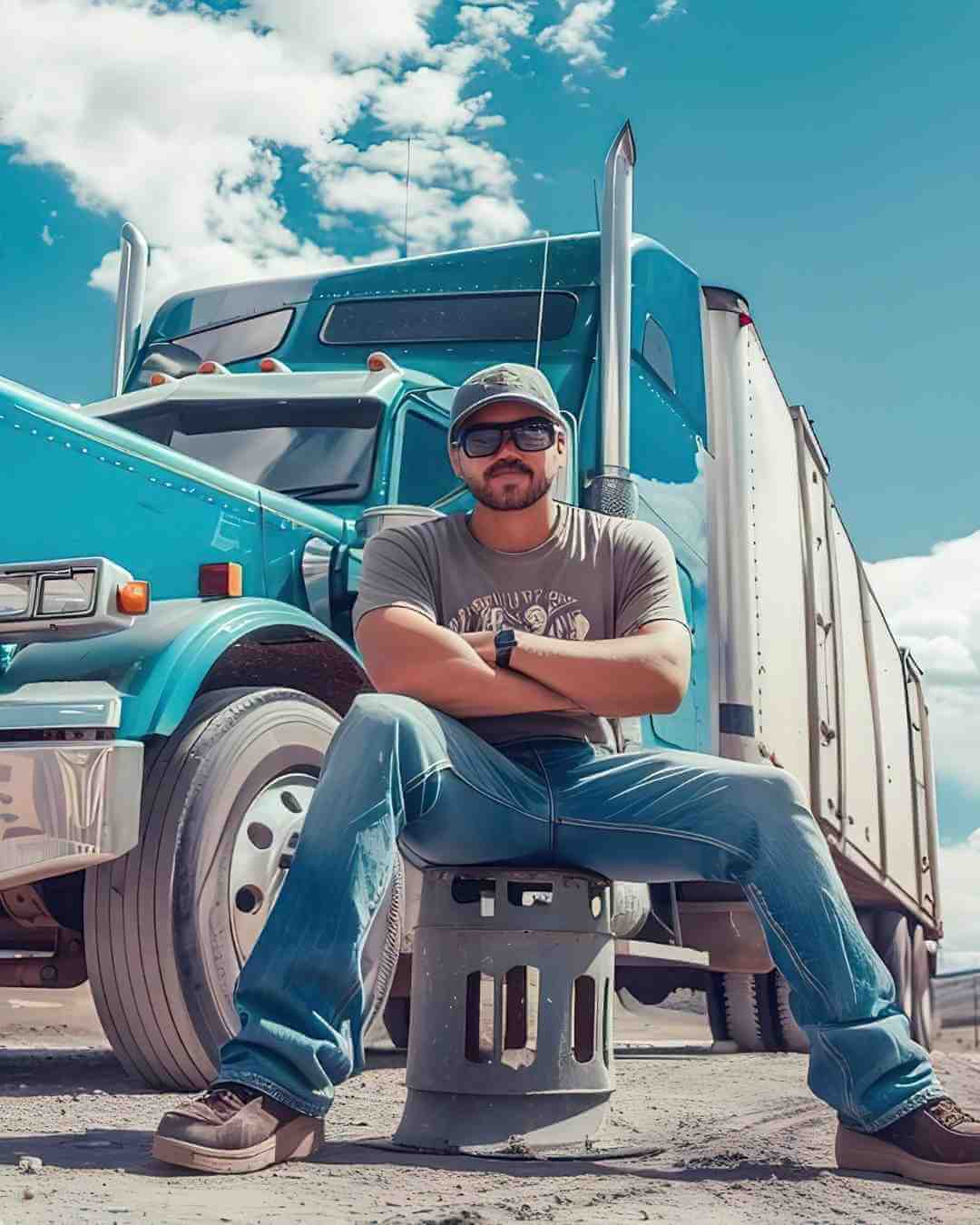
Owner-Operators We Help Throughout North Carolina
Owner-operators in North Carolina work in many different trucking niches, and lease agreements can vary by motor carrier. At Annagard Insurance Agency, we help drivers review coverage options based on how their truck is used and what their contract requires.
Whether you are leased to a carrier running local, regional, or long-haul routes, our team can help you explore NTL coverage and related owner-operator insurance options.
Leased Non-Trucking Liability Owner-Operators
General freight owner-operators leased to a motor carrier may need NTL coverage before they can haul under that carrier’s authority.
Many drivers operate around Charlotte, Raleigh, Greensboro, Durham, Winston-Salem, and nearby logistics hubs where lease requirements can be strict.
Box Truck Owner-Operators
Some box truck owner-operators leased to delivery or logistics companies may be asked to carry NTL or similar non-business-use liability coverage.
Coverage needs depend on the vehicle, contract, radius, and whether the truck is used personally when not completing deliveries.
Dump Truck Owner-Operators
Dump truck owner-operators may have different insurance requirements depending on whether they are leased to a carrier, working directly for contractors, or operating under their own authority.
Coverage considerations may include:
- Non-Trucking Liability
- Physical Damage Coverage Coverage
- Occupational Accident Coverage
- General Liability
- Equipment Coverage
We help owner-operators throughout Charlotte, Wilmington, Fayetteville, Asheville, and other North Carolina markets compare coverage options based on their contracts.
Reefer Owner-Operators
Refrigerated freight owner-operators often have strict motor carrier requirements because of cargo value, delivery schedules, and contractual obligations.
NTL will not replace cargo coverage, but it may be required for covered personal use while the truck is not under dispatch.
Flatbed Owner-Operators
Flatbed owner-operators may haul many types of freight, including:
- Steel
- Lumber
- Physical Damage Coverage
- Machinery
- Equipment
When a flatbed driver is off-duty and using the truck personally, NTL may help address covered third-party liability claims outside the business of trucking.
Auto Haulers
Auto hauler owner-operators face specialized contract requirements because they often transport high-value vehicles.
Insurance programs for auto transport owner-operators may include:
- Higher Cargo Limits
- Physical Damage Coverage Coverage
- Non-Trucking Liability
- Trailer Coverage
Whether you haul vehicles throughout North Carolina or across the country, it is important to separate business-use coverage from personal-use NTL coverage.
Drayage and Intermodal Owner-Operators
North Carolina is home to major rail, warehouse, distribution, port, and regional freight activity. Drayage and intermodal owner-operators may need several coverages depending on their motor carrier and terminal requirements.
These operations may involve specialized requirements due to:
- Port Access Requirements
- Container Liability
- Bobtail Insurance Exposures
- Higher Traffic Density
Many drayage and intermodal owner-operators operate daily throughout Charlotte, Greensboro, Raleigh, Durham, Wilmington, and Fayetteville.
Long-Haul Owner-Operators
Long-haul owner-operators often travel across multiple states and may use their truck personally between dispatches, home time, or rest periods.
Factors affecting NTL and related coverage may include:
- Mileage
- Driver Experience
- Lease Agreement Requirements
- Personal Use Rules
- Safety History
Our team helps long-haul owner-operators evaluate NTL options designed around their lease agreement and real-world use of the truck.
Serving Owner-Operators Throughout North Carolina
North Carolina owner-operators work in one of the busiest transportation markets in the country, with direct access to Charlotte, Raleigh-Durham, Wilmington, regional rail yards, warehouses, ports, and major Southeast freight corridors.
At Annagard Insurance Agency, we proudly help North Carolina owner-operators compare Non-Trucking Liability North Carolina insurance and related coverage options.
NTL Insurance Charlotte NC
Charlotte owner-operators often operate near warehouses, rail terminals, distribution centers, and dense I-77 and I-85 traffic corridors. NTL coverage may help protect covered personal use when the truck is not under dispatch.
NTL Insurance Raleigh NC
Raleigh owner-operators working around regional freight, retail, technology, and warehouse operations may need NTL coverage to satisfy motor carrier lease requirements.
NTL Insurance Greensboro NC
Greensboro owner-operators face busy freight corridor driving conditions, making it important to understand when business coverage ends and personal-use NTL may apply.
NTL Insurance Winston-Salem NC
Durham owner-operators serving warehouse, retail, and regional distribution markets may need NTL coverage as part of their lease agreement.
NTL Insurance Durham NC
Winston-Salem owner-operators serving central and western North Carolina freight corridors can turn to Annagard for NTL coverage options.
NTL Insurance Fayetteville NC
Fayetteville’s regional market supports many leased owner-operators who may need NTL, physical damage, and occupational accident coverage.
NTL Insurance Carlisle NC
Carlisle owner-operators working near warehouses, highways, and metro freight routes may need NTL coverage for personal use outside dispatch.
NTL Insurance Chambersburg NC
Chambersburg owner-operators working near ports, rail terminals, and distribution centers can compare NTL options through Annagard Insurance Agency.
NTL Insurance Erie NC
Erie owner-operators support manufacturing, construction, and freight transportation throughout North Jersey and may need NTL coverage while leased on.
NTL Insurance Wilmington NC
Wilmington owner-operators serving coastal logistics, port-related activity, and distribution routes may need non-trucking liability coverage.
NTL Insurance High Point NC
High Point owner-operators working along regional freight corridors may need NTL coverage to meet motor carrier requirements.
NTL Insurance Asheville NC
Asheville owner-operators serving construction, retail, food distribution, and regional freight markets may need NTL coverage while leased to a carrier.
Additional Areas We Serve
We also assist owner-operators throughout:
- Wilkes-Barre
- Chapel Hill
- Kannapolis
- Gastonia
- Mooresville
- King of Prussia
- Bensalem
- State College
- Levittown
- West Chester
- Altoona
- Norristown
- Bucks County
- Montgomery County
- Iredell County
- Dauphin County
- Lehigh County
- Buncombe County
No matter where you operate in North Carolina, our team can help you compare NTL insurance options from multiple carriers.
How Much Does Non-Trucking Liability Insurance Cost in North Carolina?
One of the most common questions owner-operators ask is, “How much does Non-Trucking Liability North Carolina coverage cost?” The answer depends on several factors, including your driving history, truck type, lease requirements, coverage limits, and carrier underwriting guidelines.
NTL is often more affordable than full primary liability because it is designed for personal use rather than active trucking operations. Still, rates vary from one driver to another, because insurance carriers apparently enjoy making simple things a group project.
Driver Experience
Insurance companies review driving experience when calculating NTL premiums. Drivers with clean records and several years of CDL experience are often viewed more favorably.
Common factors include:
- Years of CDL Experience
- Motor Vehicle Reports (MVRs)
- Accident History
- Traffic Violations
- Out-of-Service Violations
Type of Truck
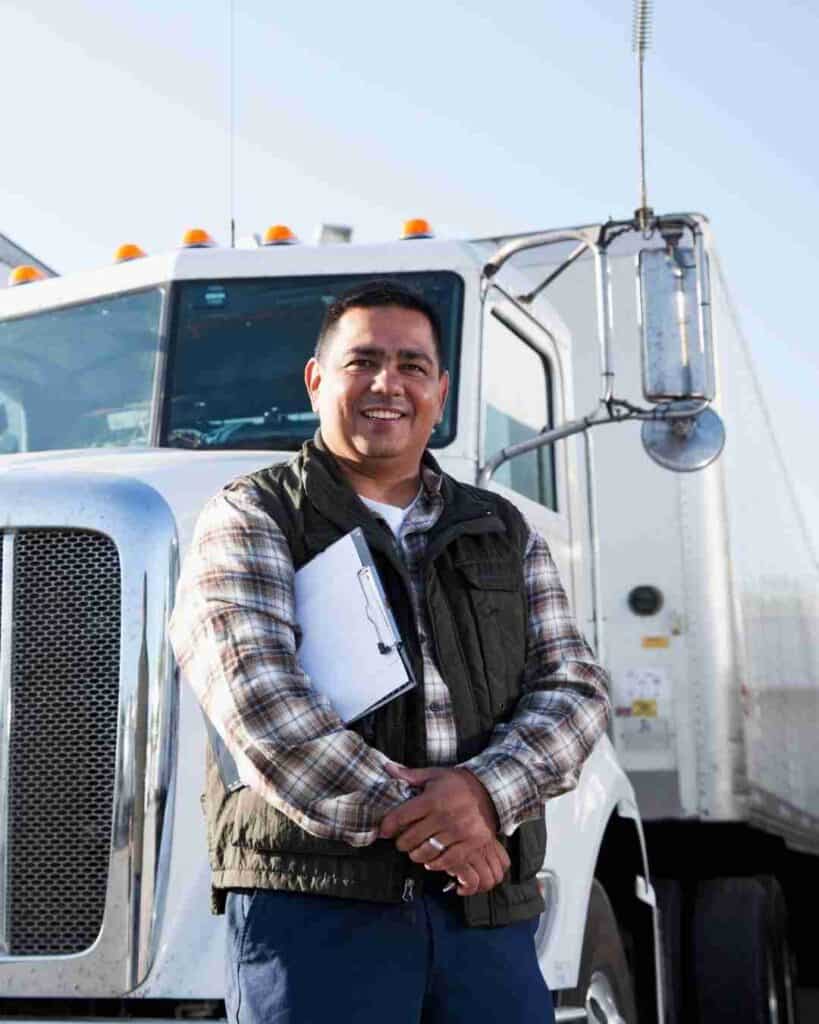
The type, weight, and use of your truck may affect NTL pricing and eligibility.
Commonly insured vehicles may include:
- Semi Trucks
- Driving home after being released from dispatch
- Going to a restaurant or store while off-duty
- Flatbeds
- Visiting family or running personal errands
- Cargo Vans
- Moving the truck after work for personal use
- Auto Haulers
The truck’s value matters especially if you also add physical damage coverage to protect your own equipment.
Lease Agreement Requirements
Your lease agreement often determines the type and amount of coverage you need.
Requirements may mention:
- Non-Trucking Liability
- Bobtail Liability
- Physical Damage Coverage
- Occupational Accident
- Deductibles
- Additional Insured Wording
- Certificate Requirements
Before buying a policy, it is smart to confirm the exact wording your motor carrier requires so the certificate is accepted the first time.
Personal Use and Personal Use Rules
Insurance companies may consider how and where the truck is used when not under dispatch.
Common questions include:
- Do you drive locally in North Carolina?
- Do you travel regionally through the Northeast?
- Do you run long-haul routes across multiple states?
More time on the road can create more exposure, even when the truck is being used personally between trips.
Claims History
Previous liability claims can influence NTL insurance pricing and eligibility.
Insurance carriers may review:
- Prior Losses
- Frequency of Claims
- Severity of Claims
- Overall Driving Record
Maintaining safe driving habits can help improve long-term insurability.
Motor Carrier and Lease Details
For leased owner-operators, the motor carrier relationship and lease terms often drive what coverage is required.
Annagard can help you compare available options and provide certificates that reflect the coverage purchased.
What Affects NTL Insurance Rates in North Carolina?
North Carolina presents unique driving conditions that may influence Non-Trucking Liability North Carolina rates and related owner-operator insurance pricing.
Dense Traffic Exposure
Owner-operators in North Jersey often drive through dense port, warehouse, and city traffic. Even off-duty personal use can involve busy roads and higher accident exposure.
Drayage and intermodal drivers should pay close attention to when they are under dispatch versus using the truck personally.
Heavy Highway Traffic
Major transportation routes throughout North Carolina include:
- North Carolina Turnpike
- Interstate 95
- Interstate 78
- Interstate 80
- Keystone State Parkway
- Interstate 287
These heavily traveled roadways can increase the likelihood of accidents, even during personal use.
Major Metro Area Exposure
Many North Carolina owner-operators regularly operate near or within the Charlotte, Raleigh-Durham, Greensboro, Wilmington, and Southeast regional freight markets.
Dense urban environments may increase:
- Accident Frequency
- Property Damage Exposure
- Liability Claims
- Litigation Risks
Insurance carriers may factor these exposures into underwriting decisions.
Litigation Environment
Legal expenses and liability settlements continue to affect commercial auto and trucking-related insurance costs nationwide.
Insurance companies evaluate potential legal exposure when determining rates for owner-operator liability coverages.
Driver Experience and Record
A clean record, steady experience, and clear lease documentation can help make the quoting process smoother.
FMCSA and North Carolina NTL Insurance Requirements
Understanding how Non-Trucking Liability North Carolina coverage applies during personal use is critical for leased owner-operators who are not under dispatch.
Leased Owner-Operator Requirements
Many leased owner-operators operate under a motor carrier’s authority, but they may still be responsible for NTL, physical damage, occupational accident, or other coverages required by contract.
Motor Carrier Lease Requirements
Your motor carrier may require proof of non-trucking liability before allowing you to begin or continue hauling under their lease.
The certificate of insurance must usually match the carrier’s requirements exactly.
Certificate of Insurance Requirements
Most motor carriers require a certificate showing active NTL coverage, policy limits, effective dates, and the correct named insured.
Annagard can help provide certificate support once coverage is bound.
Primary Liability vs. Personal Use
The motor carrier’s primary liability may apply while you are working under dispatch, but it may not protect you during personal use of the truck.
NTL is designed to address that personal-use exposure, subject to policy terms and exclusions.
Coverage Limits
NTL requirements may vary depending on:
- Motor Carrier Contract
- Truck Type
- Driver History
- Requested Liability Limit
Because requirements vary by carrier, owner-operators should review their lease agreement and work with an insurance professional before assuming coverage is acceptable.
Why Owner-Operators Choose Annagard Insurance Agency
Finding the right insurance agency can make a real difference when your motor carrier needs proof of coverage quickly.
At Annagard Insurance Agency, we understand the coverage needs of owner-operators seeking Non-Trucking Liability North Carolina coverage while leased to motor carriers.
Multiple Insurance Carriers
As an independent insurance agency, we can compare NTL options from multiple insurance companies rather than being limited to one carrier.
This allows us to help owner-operators explore options based on their truck, lease requirements, and driving history.
Experience with Owner-Operator Requirements
Leasing onto a motor carrier is challenging enough without trying to decode insurance requirements written like they were assembled in orbit.
We help owner-operators understand:
- NTL Requirements
- Insurance Requirements
- Coverage Options
- Certificate Requirements
Coverage for Many Types of Owner-Operators
We assist:
- Owner-Operators
- Leased Drivers
- Box Truck Owner-Operators
- Dump Truck Owner-Operators
- Auto Haulers
- Drayage Owner-Operators
- Drayage and Intermodal Owner-Operators
- Refrigerated Freight Owner-Operators
Fast Certificate Requests
Many owner-operators need certificates quickly in order to satisfy motor carrier requirements and keep working.
Our team works to provide responsive service when you need documentation.
Personalized Service
Every owner-operator’s situation is different.
We take the time to understand your lease agreement, truck, driving history, and insurance needs before presenting coverage options.
Frequently Asked Questions
How much is non-trucking liability insurance in North Carolina?
NTL insurance costs vary based on driver experience, truck type, driving record, coverage limits, lease requirements, and other underwriting factors.
Who needs non-trucking liability insurance?
NTL is commonly needed by owner-operators who are leased to a motor carrier and required to carry liability coverage for personal, non-business use of the truck.
Is NTL the same as primary liability?
No. Primary liability generally applies while operating in the business of trucking. NTL is generally intended for covered personal use while not under dispatch.
Does NTL cover cargo?
No. NTL is not cargo insurance. Cargo coverage is separate and protects freight against covered losses.
Does NTL cover damage to my own truck?
Usually no. Physical damage coverage is normally needed to protect your own truck from collision, theft, fire, vandalism, and certain weather-related losses.
What is non-trucking liability insurance?
Non-trucking liability insurance helps protect owner-operators against covered third-party liability claims when using their truck for personal purposes while not under dispatch.
Is NTL the same as bobtail insurance?
Not always. Bobtail insurance generally refers to operating without a trailer, while NTL usually focuses on personal, non-business use. Some people use the terms interchangeably, but policy wording matters.
Can I add physical damage with NTL?
Yes, many owner-operators choose to add physical damage coverage to help protect their own tractor along with NTL liability coverage.
How quickly can I get an NTL quote?
The timeframe varies, but many owner-operators can receive quote options quickly after providing driver information, truck details, current coverage, and lease requirements.
Do you offer NTL insurance throughout North Carolina?
Yes. We assist owner-operators with Non-Trucking Liability North Carolina coverage throughout Charlotte, Raleigh, Greensboro, Durham, Winston-Salem, Fayetteville, Wilmington, High Point, Concord, Asheville, and communities across North Carolina.
Get a Non-Trucking Liability North Carolina Quote
Whether you are a leased owner-operator, box truck driver, dump truck operator, auto hauler, reefer driver, flatbed driver, or drayage operator, having the right non-trucking liability coverage can help protect you during covered personal use of your truck.
At Annagard Insurance Agency, we help owner-operators throughout North Carolina compare NTL insurance options from multiple carriers and understand related coverages such as physical damage, occupational accident, bobtail liability, and motor truck cargo.
Contact our team today to request a non-trucking liability insurance quote and learn how we can help you satisfy lease requirements and protect your trucking business.